As a result, carding communities are developing new strategies to leverage existing online platforms and withdraw money from stolen credit cards. In addition to just selling credit card details, some threat actors offer a “complete package” often referred to as “Fullz”. Fullz includes full personal details as well as financial details such as bank account details or social security numbers, which can be used for a full account takeover or identity theft. Comparitech researchers gathered listings for stolen credit cards, PayPal accounts, and other illicit goods and services on 13 dark web marketplaces. For legal reasons, we will not publicly disclose which marketplaces were used.
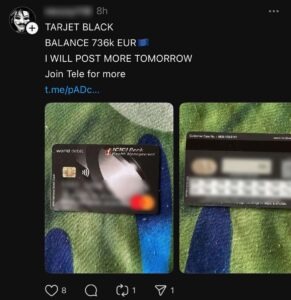
Telegram Carding Groups
Look for anything on the credit card reader that seems to be loose, crooked, or out of place. Give that part a tug or a push if you’re suspicious something might be wrong. You can also avoid card skimmers all together by using smartphone mobile payment (such as Apple or Android Pay). As the local dealers say, the first hit is free, though in this case such a leak could have meant free money for any user who managed to snag a card.
Over Half Of Security Experts Overwhelmed Managing Cybersecurity Tools From Multiple Vendors
A 2019 data leak of another shop, BriansClub — which appears to have been by a competitor, according to Threatpost —shows how pervasive this trend has become. Abraham Lebsack is a seasoned writer with a keen interest in finance and insurance. The resulting financial loss from stolen information is tremendous, not only for the individual victim but also for the financial provider and any involved organizations. Knowing how to buy the right gaming PC is crucial, but once you’ve spent all that money on an outstanding rig, it’s easy to overlook your peripherals.
Secure Your Personal Information
Most banks and credit card vendors offer you the option to receive fraud alert notifications—email or text alerts—warning you of potential card theft. It’s easy to lose track of transactions on your credit or debit card, especially if you use multiple cards. You may not notice your credit card has been compromised until it gets declined or you start receiving monthly bills for transactions you never authorized. Scammers start by prompting users to download malware, which is often disguised as a harmless email attachment.
Curious About How Breachsense Can Help Your Organization Detect Credit Card Fraud? Book A Demo To Learn More
Wizardshop.cc was established in 2022, and offers a wide range of leaked CVVs, database dumps and even RDPs. In the past 6 months, the site has increased the volume of cards sold, placing itself as one of the top sites selling credit cards today. The site has a unique news section, where the admin updates the buyers about new leaks and dumps, the source of the dumps, structural site updates and more. The threat actor’s marketing strategy involves leaking a large number of credit cards to attract potential clients from hacking and cybercrime forums.
Unauthorized Purchases
A lone hacker broke into the company’s systems and stole personal identification and credit/debit card data. The personal details including the passport, licence and Medicare numbers of 10 million Optus customers were exposed in a data breach last month. Names, credit card numbers, expiration dates, CVV numbers and addresses were just some of the data leaked on a notorious cybercrime forum.
A Russian-language dark web shop known as BidenCash recently attracted attention from cybersecurity researchers by posting a leak — for free — of 2 million stolen payment card numbers. Complete carding frameworks are sold on underground forums, while configuration files (like the one analyzed) are often shared in private Telegram channels, democratizing fraud capabilities among less technical criminals. It is crucial for individuals to understand the link between credit cards and the Dark Web and take necessary precautions to protect their financial information.
Never Save Your Credit Card Information On Websites
Content strives to be of the highest quality, objective and non-commercial. 2.5 million people were affected, in a breach that could spell more trouble down the line. All information published on this website is provided in good faith and for general use only. We can not guarantee its completeness or reliability so please use caution.
Unmasking The Underground: Navigating The Threat Of Dark Web Credit Card Marketplaces
- No matter how vigilant you are, there is nothing you can do to prevent a data breach on a merchant’s website, but using a virtual card can shield your actual card data from being exposed.
- To avoid falling victim to these scams, it’s essential to be cautious when entering sensitive information online.
- Names, credit card numbers, expiration dates, CVV numbers and addresses were just some of the data leaked on a notorious cybercrime forum.
- If the fraud involves multiple customers, notify them as soon as possible to inform them of the situation and to provide guidance on how to protect their personal and financial information.
- This includes using strong passwords and enabling two-factor authentication.
- In this article, we delve into practical strategies to protect against dark web card number theft, ensuring your financial data remains secure.
Several new cybersecurity scams and malicious activities originate from these underground forums. Threat actors discuss and share knowledge on new hacking techniques and tools. Some senior threat groups even provide tutorials and share their attacking procedures to the budding hackers. The increase is partly been driven by the increasing popularity of JavaScript-sniffers (AKA Magecart), which enable their operators to steal payment card data from e-commerce websites.
Through a method called shoulder surfing, people simply can look over your shoulder and memorize your card details during a transaction and record your information for later use. The research found that the price of payment card details varied between $1 and $12 in the US, with most about $4. Of the Italian cards, roughly 50% have already been blocked due to the issuing banks having detected fraudulent activity, which means that the actually usable entries in the leaked collection may be as low as 10%.
The phrase “dark web” conjures images of illegal activity, but it simply refers to the encrypted part of the Internet that isn’t indexed by search engines. Only accessible by a specific browser, the dark web keeps traffic anonymous. Making payments online is faster, safer, and easier with Privacy Virtual Cards because of the straightforward interface and multi-platform accessibility. Depending on the virtual card provider, you can customize details like spending limits and even pause/close the card at your convenience. According to Security.org’s 2021 Credit Card Fraud Report, users with enabled alerts were more successful in preventing money loss than those without. Unauthorized charges were not blocked for 81% of users who didn’t have the alerts turned on.
Carding forums act as central hubs for cyber criminal activity—particularly for promoting websites and Telegram channels that sell stolen credit card data. In other words, these forums serve as advertising platforms for illicit services. Occasionally, data dumps containing credit card details or other sensitive information are also shared directly within the forums.
How To Protect Your Personal Information From Fraud
Opt for reputable and trusted payment gateways that offer strong encryption and advanced security measures. These platforms often provide additional layers of authentication, such as two-factor authentication or biometric verification, ensuring the protection of your financial information. With this stolen information, fraudsters can make unauthorized purchases, withdraw funds, or even create counterfeit credit cards.