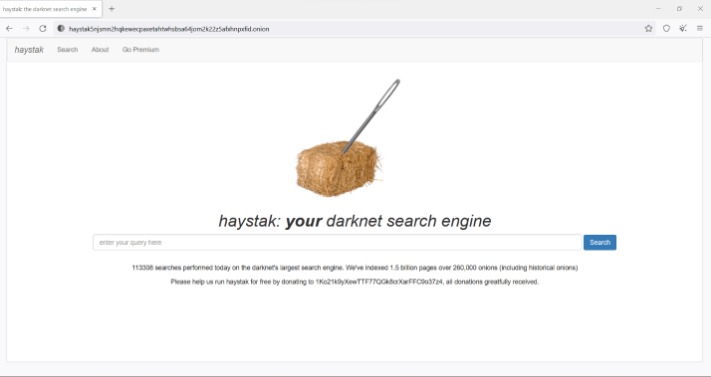
Haystak offers both free and premium search options, allowing you to choose the level of access that suits your needs. TorBot is an open-source tool designed to scrape and analyze the contents of dark web websites. Frequently used for law enforcement cyber threat monitoring, it simplifies the process of extracting crucial intelligence from onion sites. Ahmia is a dark web search engine that provides a user-friendly way to explore dark web sites by indexing major onion URLs. It’s particularly useful for educational organizations, research teams, and cybersecurity analysts who need a reliable bridge to understand dark networks’ structure. These search engines specialize in indexing hidden services, making it easier for users to access content within the Tor network securely.
DuckDuckGo On Tor
This particular search engine was built by Hugbunt3r, a prominent member of the popular Dread service on the dark web. It aims to serve as a database through which users can search for products from different vendors in different marketplaces on the dark web. Haystack doesn’t track or store your search queries or personal data, which is critical to maintaining anonymity on the dark web. Anyone unfamiliar with the Dark Web should be extra careful, as some of the links in Hidden Wiki may be leading to suspicious websites.
- Fire up Tor, choose your engine, verify your .onion links, and dive in—just keep your digital armor on.
- These sources provide alternative viewpoints and insights that may not be readily available on the surface web.
- The Directory of Open Access Journals is a deep internet search engine that provides access to academic papers.
- Ahmia emerges as a robust dark web search engine offering more than just search results.
- Yes, Keeper offers dark web monitoring through BreachWatch, an add-on feature available with Keeper Password Manager.
To provide a rich, authoritative context, here’s an expanded historical evolution of dark web search engines, tracing their development from the early internet to 2025, with NotEvil’s pivotal role. The Hidden Wiki is like a weathered map of the dark web—nostalgic, foundational, but incomplete. It’s my first stop when orienting myself in Tor, especially for quick access to trusted services like secure email or news sites. Its categorized structure saves time compared to random searches, but the outdated links and scam risks keep me on edge. Launched in 2014 by Finnish developer Juha Nurmi, Ahmia is a standout dark web search engine that blends accessibility, transparency, and ethics. Unlike most dark web tools, Ahmia is available on both the clearnet (ahmia.fi) and Tor, serving as a bridge between the surface and hidden webs.
Searx is a meta-search engine that is open-sourced and freely available to everyone to protect the privacy of users. Torgle provides security and anonymity for those doing research and for those who want to access various products/services. Unlike other search engines, it offers text results, images, and torrent links.
Cyber Incident Response Retainer Services
Anyone who wants automated Al and ML-based web monitoring features in their dark web security solution must try this tool. Vision UI is an easy-to-use app that offers an intuitive and user-friendly interface backed up with querying solid capabilities to search, monitor, and create alerts for users’ sensitive information. The investigation begins by entering the keyword or other operator in the search bar.
Cybersecurity Tools That Make Your Life Easier, Not Harder
It provides unrestricted and uncensored search results, allowing access to a wide range of hidden content. The dark web is a double-edged sword, offering anonymity but also posing significant risks. It’s a hub for illicit activities, with cybercriminals ready to exploit any weakness.
The dark web is a part of the internet not indexed by traditional search engines like Google. It requires special browsers, most commonly the Tor browser, to access its sites, which are often characterized by the ‘.onion’ domain. The best part of SearchLight is that users can try it for free for seven days. Besides this, you can also receive email notifications whenever your information is available in a recent data breach. Also, if you want to, you can remove their email address and use your email address to prevent others from looking to get more information linked to your email address. This way, users can take steps to mitigate the risk of identity theft and online fraud.

What Are The Differences Between Ahmia And Torch As Dark Web Search Engines?
Searching “AI ethics onion forum” returned three highly relevant .onion sites with active discussions, no spam or dead links. For pros with budgets and security know-how, Haystak is a powerhouse, and its .onion link is a must-bookmark. Designed for researchers, journalists, and privacy advocates, Ahmia prioritizes safety without sacrificing functionality.
What Can You Find On NotEvil? A Deep Dive Into Its Indexed Content
ATO Prevention is the dark web monitoring tool that safeguards users from account takeover by warning them about compromised passwords before malicious actors can use them. CrowdStrike is a pioneering cybersecurity leader in business for almost a decade. It offers various security solutions but markets its dark web monitoring tool as the CrowdStrike Falcon X Recon.
Real-Time CTI News
Ethical hacking guides, encryption tutorials, and dark web safety tips are some of the content that researchers and privacy-conscious users can explore. NotEvil provides access to educational materials and research papers on cybersecurity, privacy, and encryption. For more cybersecurity insights and tools to enhance your privacy, explore Cyberlad.io.
How Do OSINT Professionals Monitor Criminal Forums?
Yes, platforms like DeHashed, LeakLooker, and DeepPaste provide access to data breaches and leaked credentials. However, engaging in illegal activities on the dark web is strictly prohibited. The service also protects the brands and reputation of customers by scanning all websites for harmful content about those companies. The relevant source and text of the discovered content is then posted in the Scout dashboard.


By 2030, ethical debates over content moderation could split the ecosystem, with some engines (e.g., Torch) remaining unfiltered and others (e.g., NotEvil) adopting stricter policies. Users will need to navigate this divide, favoring open-source tools for transparency. NotEvil could integrate differential privacy techniques to share aggregate data, aiding researchers studying dark web trends. This requires balancing utility with anonymity, as even anonymized data risks deanonymization if mishandled. Future engines may offer anonymized analytics, like Ahmia’s traffic trends, to provide insights (e.g., popular .onion categories) without compromising user privacy.
Following these precautions and being mindful of ethical use cases will allow you to navigate the dark web more safely. This one also filters illegal content and is designed solely for the dark web. Ensuring user anonymity, Not Evil has no ads, web tracking and presents lower risks of malware attacks. DuckDuckGo is not designed solely for dark web search, as it can also be used to browse the surface web.
Each search engine opens the door to potentially harmful content, making caution a necessity. While it doesn’t index dark web content, it’s the default search engine on the Tor Browser because of its strong privacy features and lack of tracking. For searching within the dark web, specialized tools like Torch are better, as they specifically index .onion sites and hidden content. The World Wide Web Virtual Library is one of the oldest and most reliable online resources.