In studying the SAR of MDMA as a discriminative stimulus, we found that the MDMA-stimulus generalized to PMMA (45), a drug of abuse that has been sold on the clandestine market as representing MDMA (although our studies pre-dated those reports). PMMA might be viewed as the simple 4-methoxy analog of methamphetamine (52; see later) or, alternatively, as the N-methyl analog of 4-methoxyamphetamine (PMA; 44). Both methamphetamine and PMA substituted in (+)amphetamine-trained rats.18 What was puzzling was that PMMA, which combines both functional groups, did not substitute in (+)amphetamine-trained animals but did so in MDMA-trained animals. Furthermore, like (+)amphetamine, MDMA was a potent locomotor stimulant58 whereas PMMA failed to increase mouse locomotor activity up to doses of 30 mg/kg (higher doses were not examined).
How To Use Em Dashes (—), En Dashes (–) , And Hyphens (-)
H5-HT2A receptor binding data for a few representative examples of phenylalkylamines using 3Hketanserin (3HKET),37 3HDOB38 or 125IDOI27 as radioligand. For many years, the tritiated version of the 5-HT2 receptor antagonist ketanserin, 3Hketanserin, introduced by Janssen Pharmaceutica was employed as a radioligand for labeling 5-HT2 receptors; it is still used today. As an aside, probably the two synthetic agents to make the greatest impact on early 5-HT receptor research since the discovery of 5-HT itself (in my opinion), were the 5-HT2 receptor antagonist ketanserin and the 5-HT1A receptor agonist 8-OH DPAT (7).
The Many Health Benefits Of Phenylethylamine (PEA) – Your Brain’s Natural Stimulant
- In addition, in previous studies, systemic injection or intrastriatal infusion of β-PEA increased DA levels in the striatum 8 and nucleus accumbens 9, and β-PEA and amphetamine induced similar levels of DA release in neuronal culture 10.
- These algae are often consumed in supplement form and can provide a higher concentration of PEA than food sources.
- It should be noted that neither agent substituted for the other in tests of stimulus generalization, and that DOM lacks affinity for 5-HT1A receptors and 8-OH DPAT lacks affinity for 5-HT2 receptors.
- As mentioned above, others have evaluated the abuse potentials of β-PEA by measuring the behavioral and neurochemical changes in rodents; however, the mechanism underlying this effect is unknown.
- Plus, you will experience more positive mood, it’s more focused and have more energy.
Chocolate famously contains phenylethylamine, but one scientist’s erroneous conclusion, shored up by creative copywriting used to sell candy, has led to the myth that it can act as a medicinal food when it comes to mood, McGill University in Montreal says. Combining the popular appeal of a specific love chemical in the brain with the desire for profit among chocolate sellers seems to have created an idea that was too good to check. This baton-passing continued until everyone forgot where the idea originated. That leaves caring professionals who are tasked with helping clients manage feelings of heartache and obsessive love in a bind. How do they make sense of a powerful emotion when the evidence base is scattered and thin?
Phenethylamines
Seizures of phenethylamines were first reported from the United States and European countries and since 2009 substances such as 2C-E, 2C-I, 4-FA and PMMA have been commonly reported by several countries in different regions. Other phenethylamines increasingly reported to UNODC since 2011 include 4-FMA, 5-APB, 6-APB and 2C-C-NBOMe. Tyramine is formed by the decarboxylation of the amino-acid tyrosine, and is present in significant amount in certain foods, such as some cheeses, leading to the “cheese effect”. If you aren’t a neuroscientist, why would you be skeptical about phenylethylamine? It sounds much like 5-hydroxytryptamine or anandamide or any of the other esoteric terms that only a specialist would recognise. You have to take it on trust that the author knows what they are talking about.
13 Monoamine Oxidase (MAO) Receptors
Nevertheless, it is rather astounding how relatively minor structural changes on a very simple Ph-C-C-N molecule have such a profound influence on its actions. MDMA did not substitute in “classical” hallucinogen-trained (i.e., LSD- or DOM-trained animals), but results in (+)amphetamine-trained animals were mixed. We found that both a (+)amphetamine stimulus and an MDA stimulus generalized to MDMA.48 Clearly, MDMA, though neither a simple hallucinogen nor a simple central stimulant, seemed to possess some amphetamine-like qualities. Over the years, there have been many attempts to develop animal models of hallucinogenic drug action. Described below is a procedure we have found useful for our studies, but it is not an animal model of hallucinogenic drug action; rather, it is a model of stimulus similarity. Beta-phenylethylamine (β-PEA) is well known as an endogenous neuroactive trace amine and is widespread throughout the central nervous system of rodents 1.
Dietary Sources And Supplementation Of Phenylethylamine
Phenylethylamine is a naturally occurring compound found in many foods, such as chocolate, cheese, and wine. It is also produced in the human body and is believed to play a role in regulating mood and behavior. If you’re someone who has been exploring the world of nootropics or supplements, then you may have come across phenylethylamine. This compound is known for its purported benefits, which include weight loss, mood enhancement, and cognitive enhancement.
It is a plant flavonoid that is used as a supplement to treat various health conditions. The US Food and Drug Administration designates it as “generally recognized as safe” but has not approved it for any medical use. The researchers’ analysis showed that quercetin reversed the ferroptosis signaling pathway upregulated by acrylamide. PEA can be found in various natural food sources, including chocolate, cheese, and wine. However, the amounts found in these foods are relatively small, and it may be difficult to obtain a therapeutic dose through diet alone. However, as with any nootropic or supplement, it’s important to approach PEA with caution and not to expect miraculous results.
How it works exactly, though, is still a matter up for debate, requiring more inquiry. Research suggests that its main ability is to inhibit dopamine uptake while simultaneously inducing increased dopamine production. Though contested, evidence suggests that it can pass the blood brain barrier after injection into the body, where it gets to work.
Depression And Mood
It was findings, such as these that were partly responsible for our continued interest in this area. Β-phenylethylamine (βPEA) is an endogenous trace amine present in the central nervous system, however, its role in the mammalian physiology is still unknown. Previous studies demonstrated that βPEA is synthetized in neurons that also contain tyrosine hydroxylase and coexists with dopamine (DA) in the nigrostriatal brain regions (Juorio et al. 1991).
- Furthermore, PEA has been studied for its potential benefits in treating certain neurological disorders, such as Parkinson’s disease.
- Its ability to influence our mood, motivation, and cognitive performance underscores the delicate balance of chemicals that govern our mental states.
- Taking phenethylamine along with tramadol (Ultram) might cause too much serotonin in the brain and might result in side effects including confusion, shivering, stiff muscles, and others.
- Within the greater domain of arylalkylamines are the phenylalkylamines – compounds with some of the same structural attributes mentioned above regarding the “alkyl” and “amine” portions, but where Ar is a phenyl (Ph) or substituted phenyl ring.
Therefore, in this study, we demonstrated the effects of β-PEA on addictive behaviors and emotional states and revealed the mechanisms underlying β-PEA-induced addictive-like behaviors in rodents. First, we performed an open-field test to determine whether acute systemic administration of β-PEA induces psychomotor function in mice. Second, we measured the rewarding effect of β-PEA in mice using the CPP test. Third, for the first time, we examined the effects of β-PEA on affective state by analyzing USVs.
Side Effects Of PEA
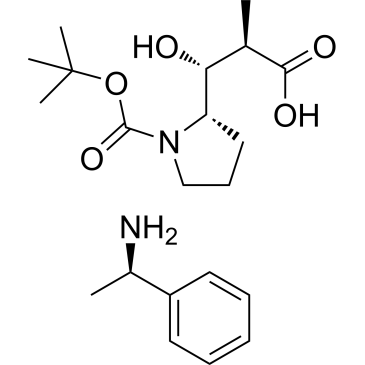
It consists of a benzene ring (a hexagonal arrangement of carbon atoms) attached to an ethylamine group. This structure might sound like gibberish to non-chemists, but think of it as a tiny molecular key that fits perfectly into certain locks in our brain. Chemical structures of indolealkylamines α-MeT (101) and α-ET (102), and the 5-HT releasing agent fenfluramine (103). Chemical structures of cathinone (originally termed β-ketoamphetamine), its optical isomers, and methcathinone.
RTI-55, a cocaine homologue and DAT inhibitor, completely blocked the βPEA-induced effect in transfected cells. However in neuronal cultures, RTI-55 only partly inhibited the increase of extracellular DA generated by βPEA. These results suggest that βPEA requires DAT-1 and other, not yet identified proteins, to increase extracellular DA when tested in a native system. Furthermore, our results suggest that βPEA-induced increase of extracellular DA does not require functional monoamine vesicles as genetic ablation of the C.
It was the latter studies that opened new avenues of pursuit to us (e.g. 5-HT1A, 5-HT6, and other receptors). Nevertheless, PEA (1)-caffeine combinations require investigation in documented scientific studies. Animals trained to a specific drug will respond on the “vehicle appropriate” lever if a combination of the training drug and the antagonist result in stimulus antagonism. The simplest phenylethylamine, phenylethylamine (1) itself, also known as 2-phenylethylamine, 2-phenylaminoethane, phenethylamine, β-phenylethylamine, or simply PEA. PEA (1; Figure 2), was first isolated and identified by the Polish chemist Marceli Nencki in 1876 (as reviewed by Grandy3). More than 140 years later, PEA (1) and its analogs remain a continuing and fascinating (and, perhaps, growing) topic of interest for medicinal chemists and, as witnessed by the number of new agents appearing on the illicit market, for clandestine chemists as well.
Phent37 (1 Bottle – 60 Tablets) Phenylethylamine HCL – Advanced Dieting Speckled Tablets – Dietary Supplement
Not bad as a nootropic so far, and I didn’t experience and acute side effects during my sessions. This evened out after about a half hour, at which point I was able to work with a slightly increased level of focus for a couple of hours. Still, it is legal to obtain, most commonly as a powder, and there is a wealth of anecdotal evidence hailing it as a rather effective mood and mental influencer. It’s important to increase water intake while taking this supplement (x). Depression is a very common, sometimes serious disease that affects a wide range of people.